Understand the Position of a Landscaper in Designing and Upkeeping Vibrant Outdoor Environments
The purpose of a landscaper extends beyond just how things look. The work involves mixing artistic talent with ecological principles to form long-lasting green spaces. Via thoughtful choice of flora and thoughtful design, they enhance functionality while encouraging ecological diversity. However, the effect of their work reaches far beyond single land parcels. Recognizing the multifaceted responsibilities of landscapers reveals deeper implications for public welfare and the state of nature. What considerations actually determine their choices in creating these essential green spaces?
The Skill and Knowledge of Landscape Design
Although people often view landscape design as simply a quest for beauty, it deeply integrates creativity and knowledge to form harmonious outdoor spaces. A effective landscape designer must understand the principles of design, like symmetry, size relation, and pattern, while also taking environmental elements into account. The incorporation of native plants, earth varieties, and regional environments is vital in forming long-term ecosystems.
Using artistic elements such as color, texture, and form, landscape designers fashion visually appealing spaces that appeal to human emotions. In parallel, scientific knowledge makes certain that these designs are viable and enduring, dealing with factors like drainage, plant growth, and pest management.
With this blend of design talent and scientific insight, landscapers convert plain settings into vibrant, functional environments that boost public welfare and promote appreciation for the outdoors. Ultimately, landscape design is a thoughtful discipline that fosters a stronger recognition for the surrounding world.
Necessary Talents and Credentials of a Landscaper
For success in the field of landscaping, individuals must possess a diverse set of skills and qualifications that mix specialized expertise with practical experience. A deep knowledge of horticulture is critical, enabling landscapers to choose the right flora and know their cultivation needs. Proficiency in landscape design software is becoming more important, enabling designers to develop precise blueprints and mock-ups for patrons.
Moreover, bodily endurance and manual dexterity are crucial, as landscaping frequently requires strenuous movement, trenching, and machine operation. Interpersonal abilities are also important, allowing professionals to interact with clients and colleagues efficiently.
Academic training in horticulture or a relevant area boosts a landscaper's trustworthiness, whereas credentials from established bodies may further validate their knowledge. Ultimately, a combination of these skills and qualifications equips landscapers to provide attractive and functional outdoor spaces, meeting the varied demands of their clientele.
Choosing and Acquiring Flora for Optimal Growth
A landscaper's capacity to choose and acquire vegetation is fundamental to creating robust outdoor settings. This process involves a keen understanding of plant biology, climate conditions, and earth varieties. By evaluating the specific site conditions, landscapers may determine varieties that can prosper in the given environment, guaranteeing optimal development and hardiness.
Moreover, sourcing plants from established suppliers or regional producers is essential. This does more than ensure the well-being and standard of the plants but helps maintain environmentally sound operations. Landscapers commonly utilize local flora, which are suited to regional environments and need minimal upkeep, making them an environmentally friendly choice.
In addition, the selection process should factor in yearly fluctuations, making sure the area looks fresh throughout the year. Through thoughtfully selecting a wide array of flora, landscapers design attractive environments and supporting ecological balance and environmental equilibrium, ultimately leading to sustainable outdoor environments.
Creating Functional Outdoor Spaces: Structure and Aesthetics
Developing practical exterior areas requires careful consideration of arrangement and structure to guarantee effective space utilization. A skilled landscaper mixes attractive qualities with usable features, bettering the feel of the setting. Careful planning doesn't just increase utility but also harmonizes with the nearby setting.
Effective Space Utilization
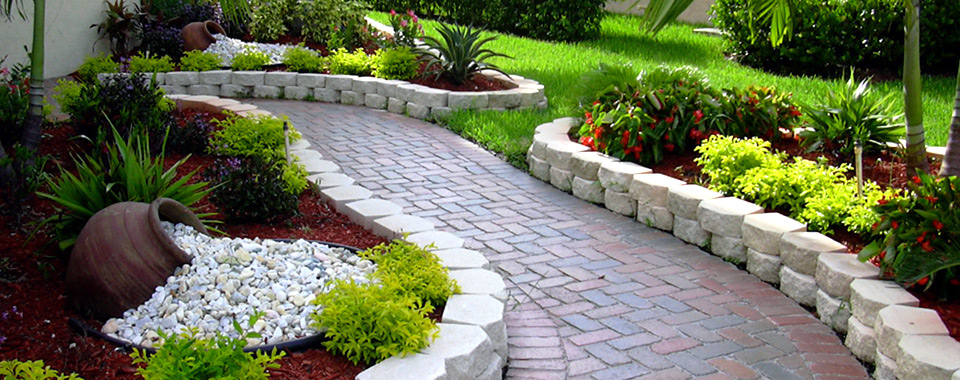
Though many residents view their outdoor spaces as only additions of their interior environments, smart space management changes these spaces into functional and inviting settings. Landscapers play an essential role in analyzing the particular characteristics and attributes of the location, making certain that all available area is utilized for activity and enjoyment. Deliberate structure and aesthetics include features like pathways, seating areas, and plant beds that facilitate transit and socializing. Navarre Landscaper. By taking into account factors like solar exposure, air currents, and pre-existing buildings, landscapers create harmonious environments that cater to the personal preferences of the residents. This thoughtful approach doesn't just improve usability and promotes a sense of connection between indoor and outdoor spaces, making them essential components of a unified lifestyle
The Harmony of Form and Use
Establishing a perfect blend of beauty and utility in outdoor spaces demands close attention of both visual features and practical use. Landscapers must analyze the planned function of the space in addition to the visual appeal. For example, designing a rest spot should include cozy seating and making sure it complements surrounding plants and pathways. Good spatial organization ensures an organic progression, making access straightforward and unhindered access. Adding elements such as illumination, fountains, and a mix of plants improves both the aesthetics and usability. Moreover, selecting resilient resources makes certain that outdoor spaces withstand various weather conditions, preserving their utility over time. Finally, a successful outdoor design combines aesthetic pleasure with utility, developing spaces that encourage relaxation and cater to the needs of users.
Why Environmental Sustainability Matters in Landscape Design
Environmental sustainability in landscaping is vital for protecting nature and fostering species variety. Through the use of eco-friendly plant selection and applying successful water-saving strategies, landscapers can design exterior areas that are visually appealing and ecologically sound. Such a strategy not only enhances the visual quality but also supports the enduring well-being of the local ecology.
Choosing Sustainable Plants
What role do professionals play to a healthier ecosystem through their plant choices? By selecting native and drought-resistant plants, landscapers are crucial players in advancing ecological responsibility. Navarre Landscaper. Native plants require minimal care, benefiting native animals and reducing the need for synthetic nutrients and chemical sprays. They establish deeper root systems, improving the ground quality and preventing erosion. Additionally, employing a diverse range of plant species encourages species richness, which is essential for ecosystem resilience. Landscapers may also adopt organic practices, including composting and mulching, to decrease environmental impact. Through judicious plant selection, they not only design vibrant outdoor spaces but also contribute to the preservation of local ecosystems and the general well-being of the environment
Strategies for Water Efficiency
Landscapers are key to boosting sustainability in outdoor environments by utilizing effective water conservation techniques. One frequently used approach is the use of xeriscaping, which means picking drought-resistant plants that demand minimal irrigation. Additionally, landscapers may install efficient irrigation systems, such as drip irrigation, which provides moisture directly to the plant roots, reducing waste. Rainwater harvesting systems can also be integrated, enabling the collection and storage of rainwater for landscape use. Mulching helps retain soil moisture and reduces evaporation, which helps with water conservation. Furthermore, landscapers can educate clients about appropriate watering schedules to ensure efficient use of water resources. By employing these techniques, landscapers are essential in promoting environmental sustainability while keeping up vibrant outdoor spaces.
Upkeep Methods for Healthy Gardens
While many might see maintenance as a routine chore, it is crucial for cultivating vibrant outdoor environments. Good upkeep methods guarantee that landscapes are kept healthy and aesthetically pleasing throughout the seasons. Regular tasks include mowing, pruning, and weeding, which encourage growth and prevent the spread of pests and diseases.
Irrigation systems should expert advice be checked and adjusted to make certain plants receive adequate water without too much runoff. Mulching not only conserves moisture but also suppresses weeds, leading to a cleaner appearance. Fertilization, when used wisely, offers vital nutrients that bolster plant health.
Additionally, addressing drainage issues is essential to prevent waterlogging, which could ruin root systems. Seasonal assessments allow landscapers to identify and address potential problems before they become serious. Through these careful maintenance practices, landscapes will prosper, fostering environments that are both useful and visually appealing.
The Economic and Social Impact of Green Areas
Despite being commonly disregarded, green areas are crucial in enhancing both economic importance and social well-being among neighborhoods. Carefully crafted landscapes lure companies and boost land worth, as potential buyers often prioritize aesthetics and green spaces. Moreover, designed environments aid community commerce by offering locations for gatherings and leisure pursuits, promoting travel and neighborhood involvement.
From a social perspective, these environments support emotional balance and physical condition, providing inhabitants spots to unwind, work out, and engage with the natural world. Green spaces and yards function as neighborhood centers, reinforcing social ties and encouraging community involvement. Additionally, properly cared-for green areas help lower city temperatures, better the purity of the air, and increase biological variety, leading to better residential environments.
In essence, green areas do more than just enhance local aesthetics but also offer substantial economic benefits and nurture neighborhood connection, establishing them as crucial elements of flourishing societies.
Questions and Answers
What Instruments Are Standard for Landscaping Jobs?
Landscapers regularly use tools such as spades, garden claws, shears, grass cutters, and cultivators. Furthermore, they frequently use barrows, bush shapers, and edging machines to skillfully form and preserve exterior environments following planned requirements and customer wishes.
What is the Landscapers' Approach to Controlling Garden Pests?
Landscapers manage pest control using integrated approaches, which involve recognizing harmful insects, implementing biological or chemical solutions, promoting beneficial insects, and putting in place precautionary steps such as suitable foliage choice and environment care to ensure green environments remain robust.
What Difficulties Do Landscape Professionals Encounter on the Job?

Landscape professionals frequently face issues including volatile atmospheric conditions, monetary restrictions, earth composition problems, pest invasions, and patron requirements. These issues often hinder the completion dates and influence the total achievement of the landscape project.
What is the Effect of Seasons on Gardening Projects and Maintenance?
Seasons greatly impact landscaping projects and maintenance, since heat, rainfall, and light duration affect foliage development, ground status, and insect presence. Landscapers must adapt their strategies accordingly to secure favorable achievements year-round.
What is the average timeframe for finishing a landscaping project?
A typical landscaping project timeframe ranges from a few weeks to many months. Factors influencing the timeline are comprised of project difficulty, climate, and seasonal considerations, making necessary careful planning and organization for it to be completed successfully.
Comments on “Interviewing a Master Green Expert”